How good is AI translation for a complete novel?
AI translation is good enough to help many readers understand a lawfully obtained novel. It is not reliable enough to treat fluent English as proof of accuracy. Quality changes with the language pair, genre, source condition, glossary, amount of context, model, and review process.
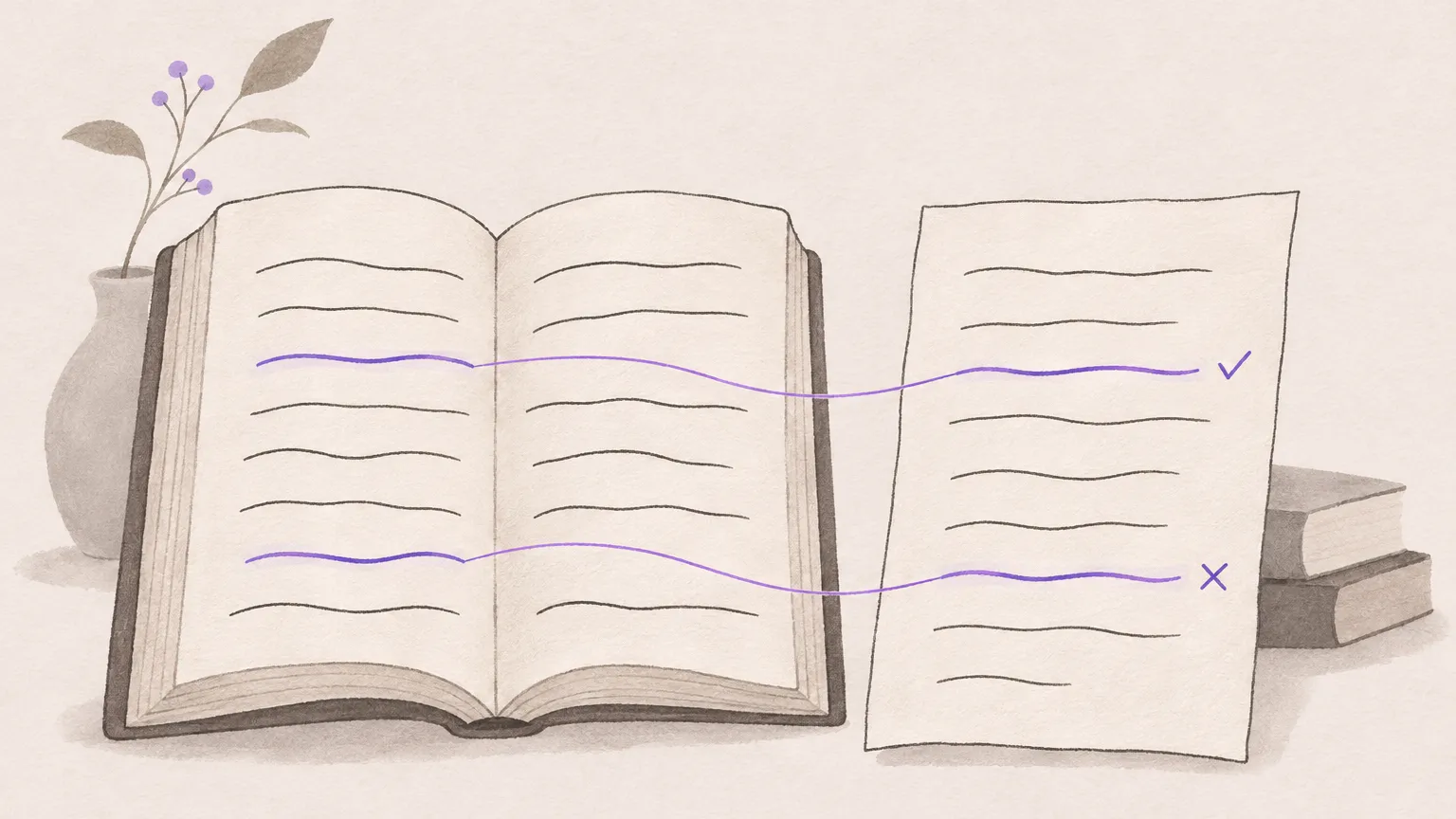
AI can produce fluent drafts and follow terminology, but long fiction still exposes errors in meaning, identity, chronology, and voice.
What current systems do well
Current language models can translate longer passages, follow name and terminology instructions, preserve paragraph structure, and explain more than one reading of an ambiguous line. They often produce smoother dialogue than older sentence-by-sentence tools.
They are useful for a first draft, private reading copy, terminology extraction, and comparison of difficult sentences. They can also rewrite a literal draft into clearer English after the meaning has been checked.
Where a novel exposes weak reasoning
Japanese and Korean often omit a subject that English must state. Chinese kinship terms and titles can encode relationships that one English word cannot carry. Fantasy systems repeat invented ranks and skills whose order must remain stable. A model can make a plausible choice that the later story proves wrong.
The model can omit a small clause, soften a threat, change who spoke, normalise an unusual voice, or add a causal link. These errors can be harder to notice than broken English because the result reads well.
Test with a chapter, not one sentence
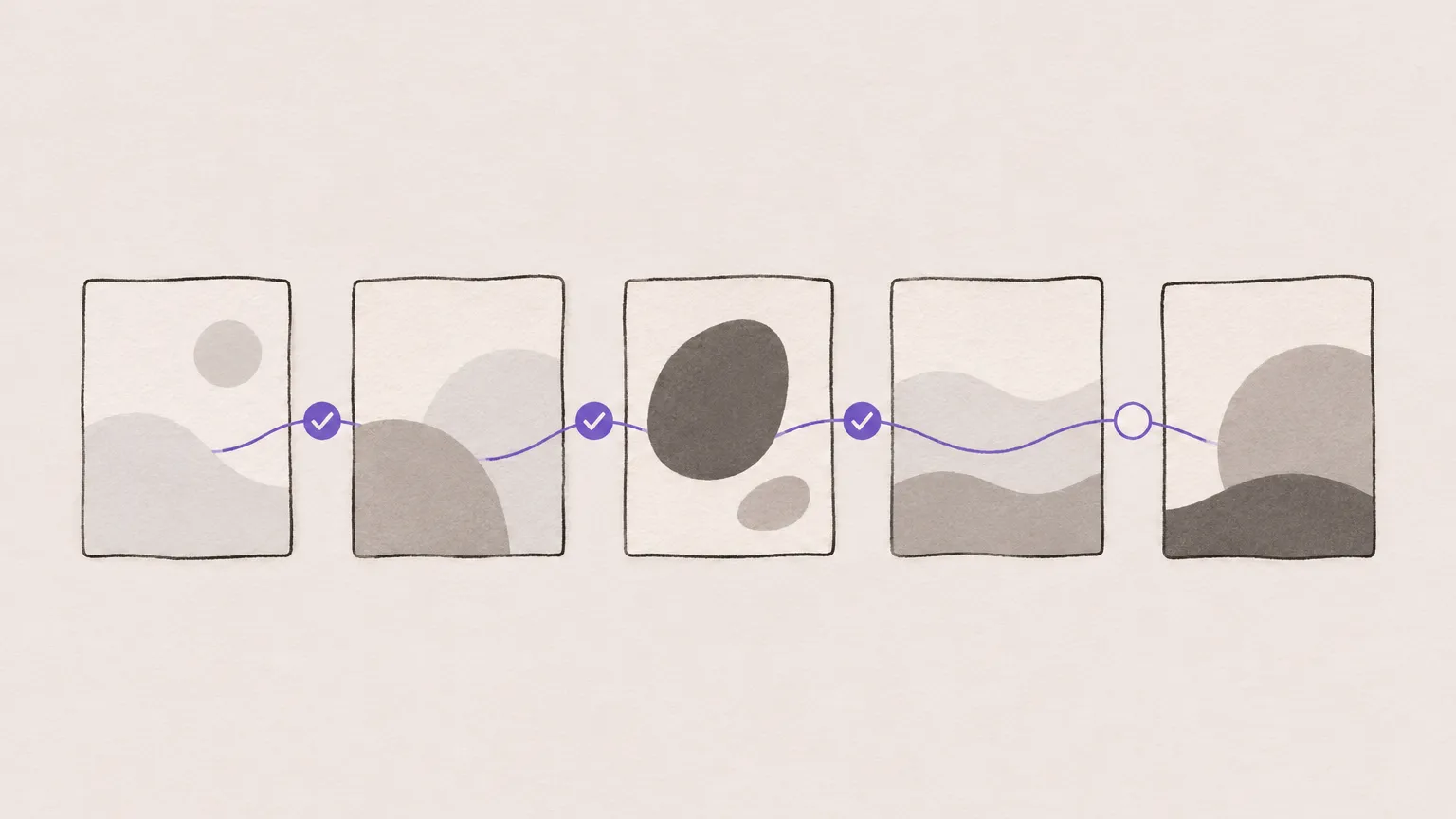
Choose a representative chapter with dialogue, several characters, pronouns, names, genre terms, and one event that depends on earlier context. Translate it with the same glossary and settings that you plan to use for the book.
Mark omissions, additions, wrong identities, wrong numbers, terminology drift, formatting loss, and unnatural English. Weight errors by effect. A wrong comma is not equal to changing who killed a character.
Decide the required review level
For private reading, you can leave uncertain lines marked and return to the source when the plot does not make sense. For publication, use a translator or reviewer who can read the source and edit the complete work. Confirm rights before any public release.
Do not use a novel translation result for legal, medical, immigration, or safety decisions. Those tasks require a qualified translator and a process designed for the risk.