MTL novel translation: benefits, failure points, and review
Machine translation gives readers access to stories that have no edition in their language. Its main danger is not strange English. It is clear English that assigns an action to the wrong person, changes a rank, removes a warning, or invents a reason that the source did not give.
Understand where machine translation helps a novel reader, where it changes the story, and which checks make the output safer to use.
Where machine translation helps
MTL can produce a fast private reading draft, identify repeated terms, compare possible readings, and help a translator prepare a terminology list. It is useful when the reader accepts uncertainty and can return to the source for important lines.
A glossary-controlled system can keep names and recurring terms more stable than a browser’s page translator. Chapter storage also makes it easier to fix one section without losing the rest of the book.
The errors that change a story
Pronouns and omitted subjects can swap the person who spoke or acted. A missing negative can reverse a decision. A title can become a personal name. A cultivation or game rank can move in the wrong direction. Dialogue punctuation can join two speakers into one paragraph.
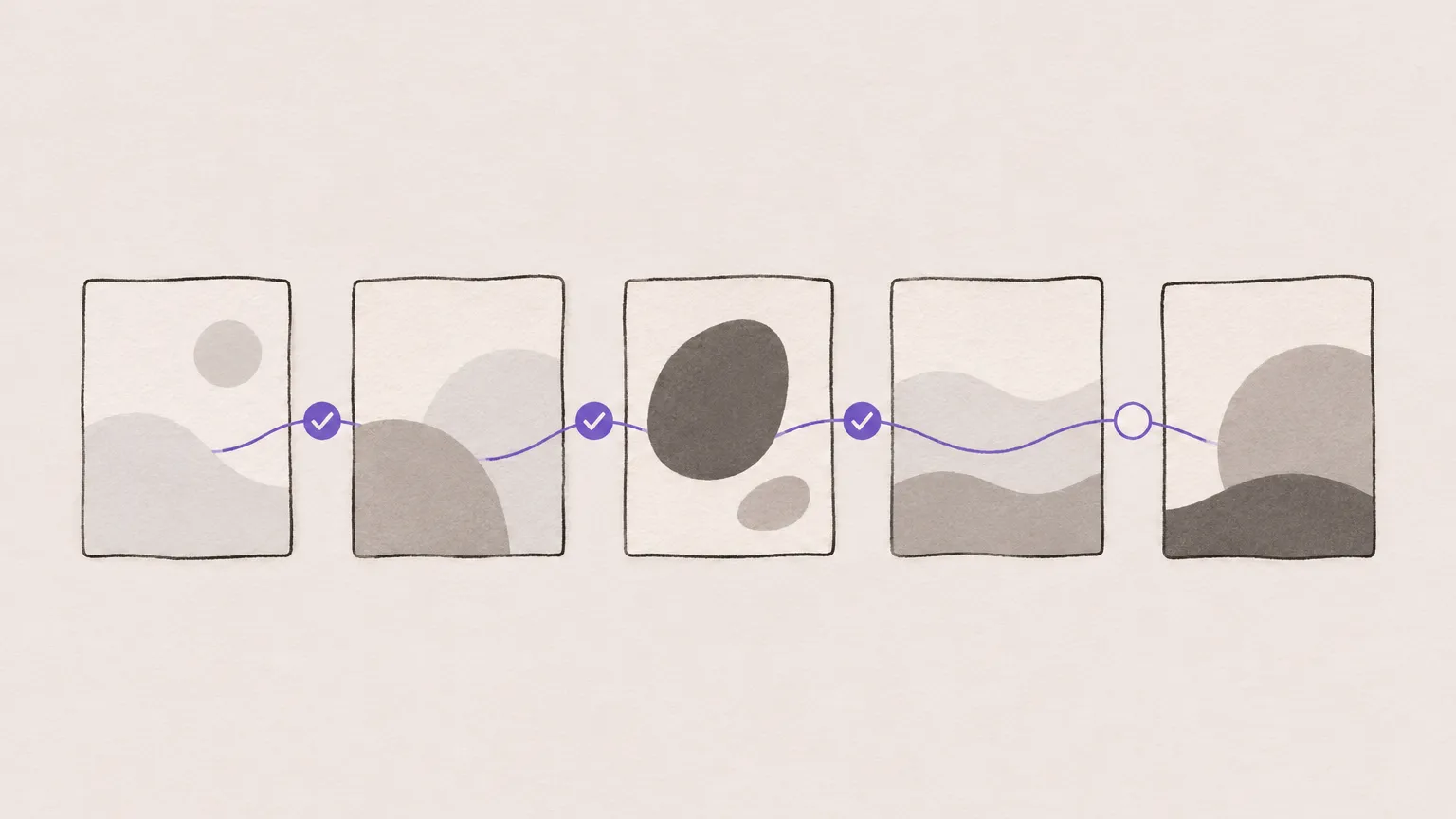
Long-range errors are harder to see. A place, promise, injury, or relationship can be translated one way in chapter ten and another way in chapter two hundred. A sentence-level quality score will not find that break.
Run a review that targets risk
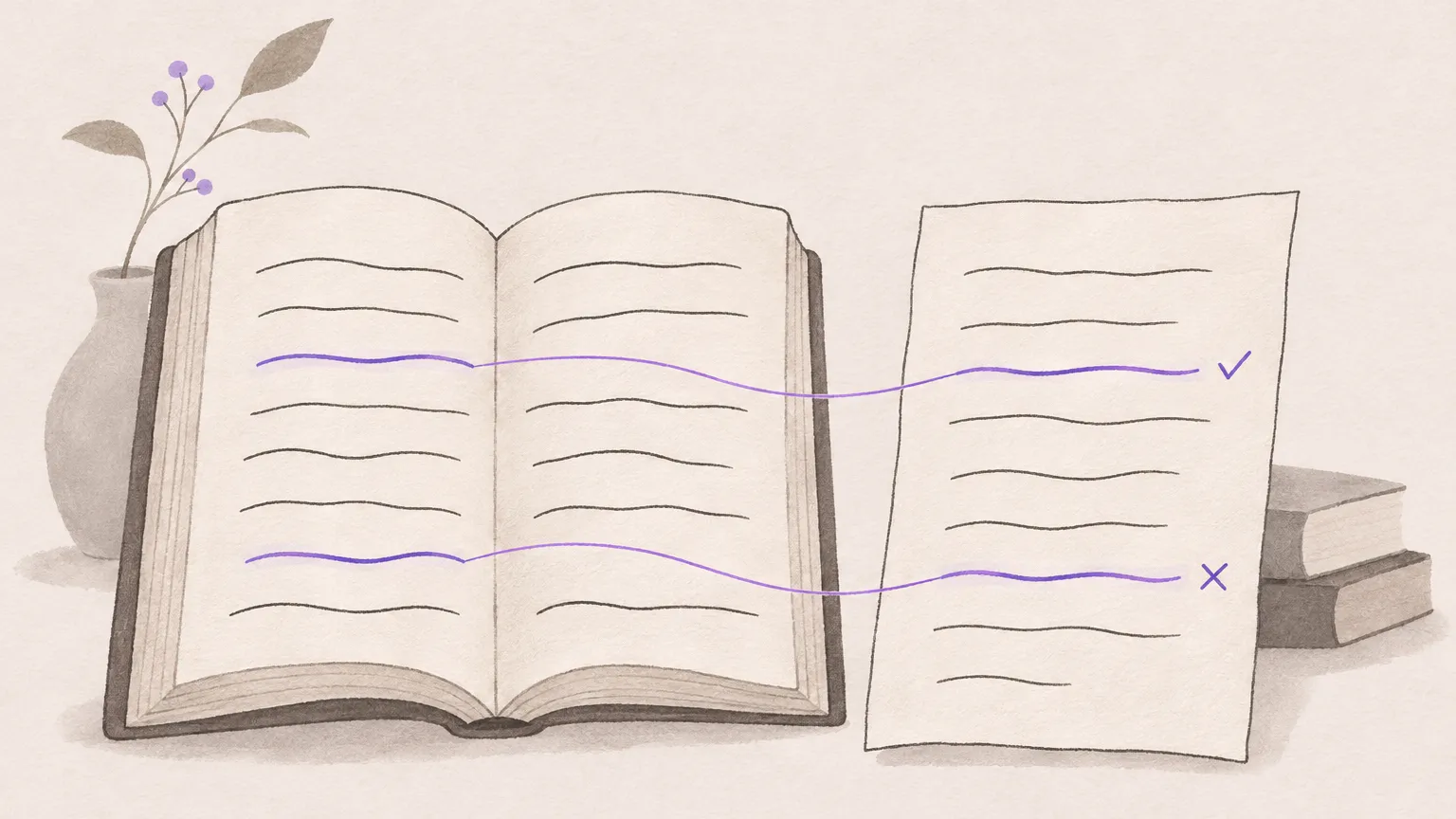
Start with names, numbers, negation, pronouns, dialogue attribution, ranks, and untranslated text. Compare any strange plot event with the source. Search the complete output for variants of important names and terms.
Then edit English style. Keep character voices distinct, remove repeated machine phrasing, and restore paragraph rhythm. Do not rewrite an uncertain sentence until you have resolved what the source says.
- Check every new character and title against the glossary.
- Review chapter openings and endings for missing text.
- Record corrections for later chapters.
- Keep the source line beside unresolved passages.
Paragraph review matters on a phone
A recent r/noveltranslations discussion shows a real trade-off. Some readers prefer short source-style paragraphs because they are fast to scan on a phone. Other readers find one sentence per line stilted and difficult to follow. Automated conversion cannot decide every case correctly.
Preserve the source structure during translation, then review it for the target language and device. Keep speaker changes clear. Join sentences that form one thought, but retain short paragraphs when they improve pace or mobile reading.
Match the workflow to the purpose
A private reading draft can tolerate visible uncertainty. A public, paid, or professional translation needs rights clearance, stronger source review, editing, and accountability. Sensitive legal, medical, or safety information needs a qualified human translator, not a novel workflow.
Do not publish a translated novel only because the source was free to read. Copyright and translation rights still apply.