What a book translator does from first read to final proof
A book translator writes a new text that must remain accountable to the source. The work starts before the first translated sentence and continues through editing, queries, proof pages, and final corrections.
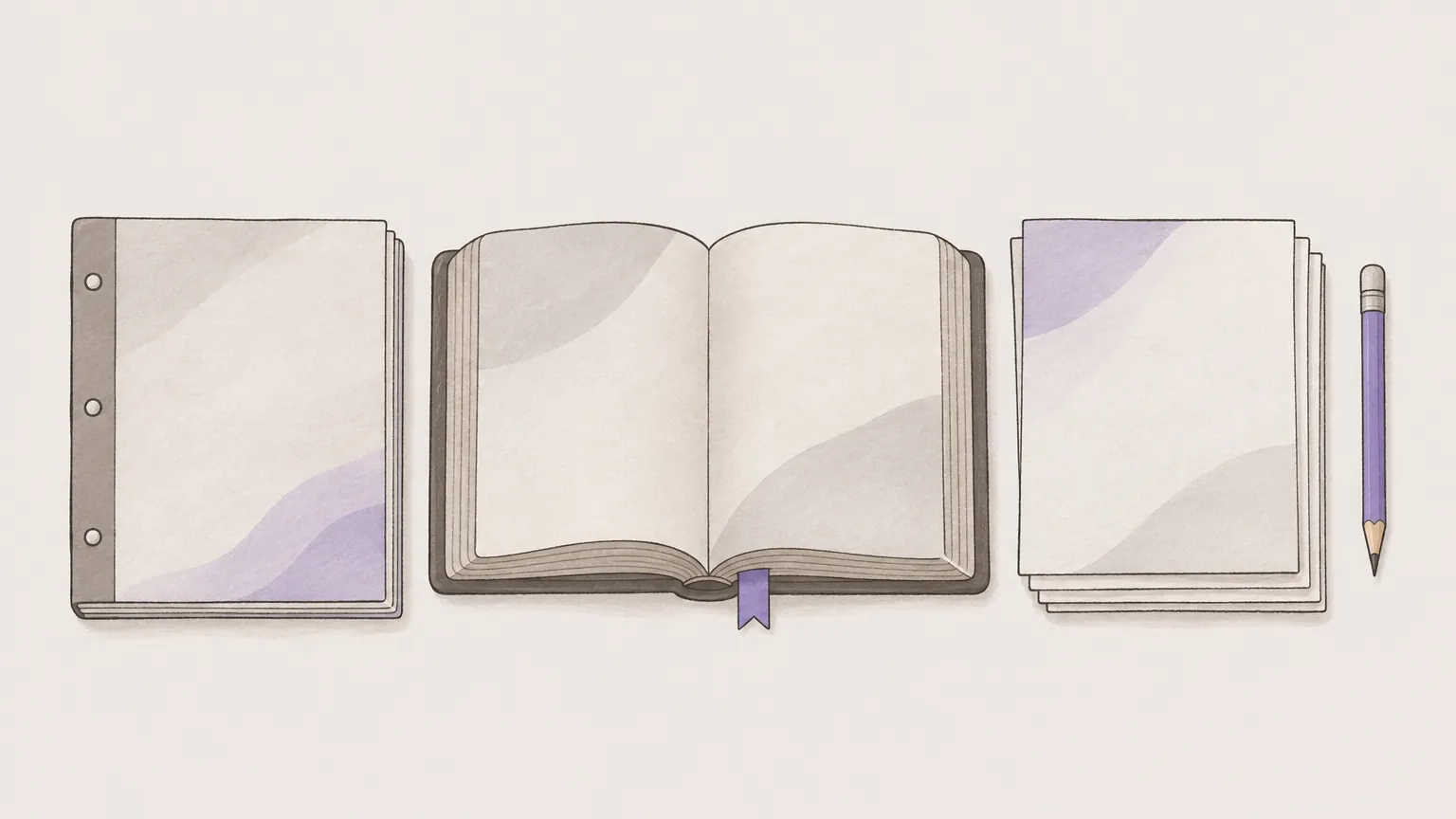
Book translation combines close reading, rights, terminology research, voice, revision, author queries, and production checks.
Confirm the edition, rights, and brief
The translator identifies the exact source edition and confirms who has the translation rights. The brief defines language variant, audience, format, deadline, style expectations, notes, illustrations, and how author or publisher questions will be handled.
A sample helps the translator and client agree on voice and difficult terms before the complete manuscript is underway. Public-domain status, a free web page, or ownership of an ebook does not automatically grant translation publication rights.
Read for voice, structure, and hidden dependencies
The translator reads far enough to understand narrators, relationships, chronology, genre rules, repeated images, and later reveals. A name or ambiguous pronoun in chapter one can have its answer in chapter twenty.
The project glossary records names, places, titles, quotations, specialist terms, and deliberate patterns. A style sheet records punctuation, spelling, capitalisation, numbers, dialogue, and other editorial choices.
Draft and research at the same time
The first draft solves meaning and voice together. The translator researches historical facts, cultural references, wordplay, dialect, technical terms, and quotations. Unresolved questions remain marked rather than being hidden by smooth English.
Machine translation and language models can suggest readings, apply a glossary, or prepare a rough draft. The translator still checks the source and owns the final decisions. Confidential client text needs approved tools and suitable data controls.
Revise the complete book, not only each chapter
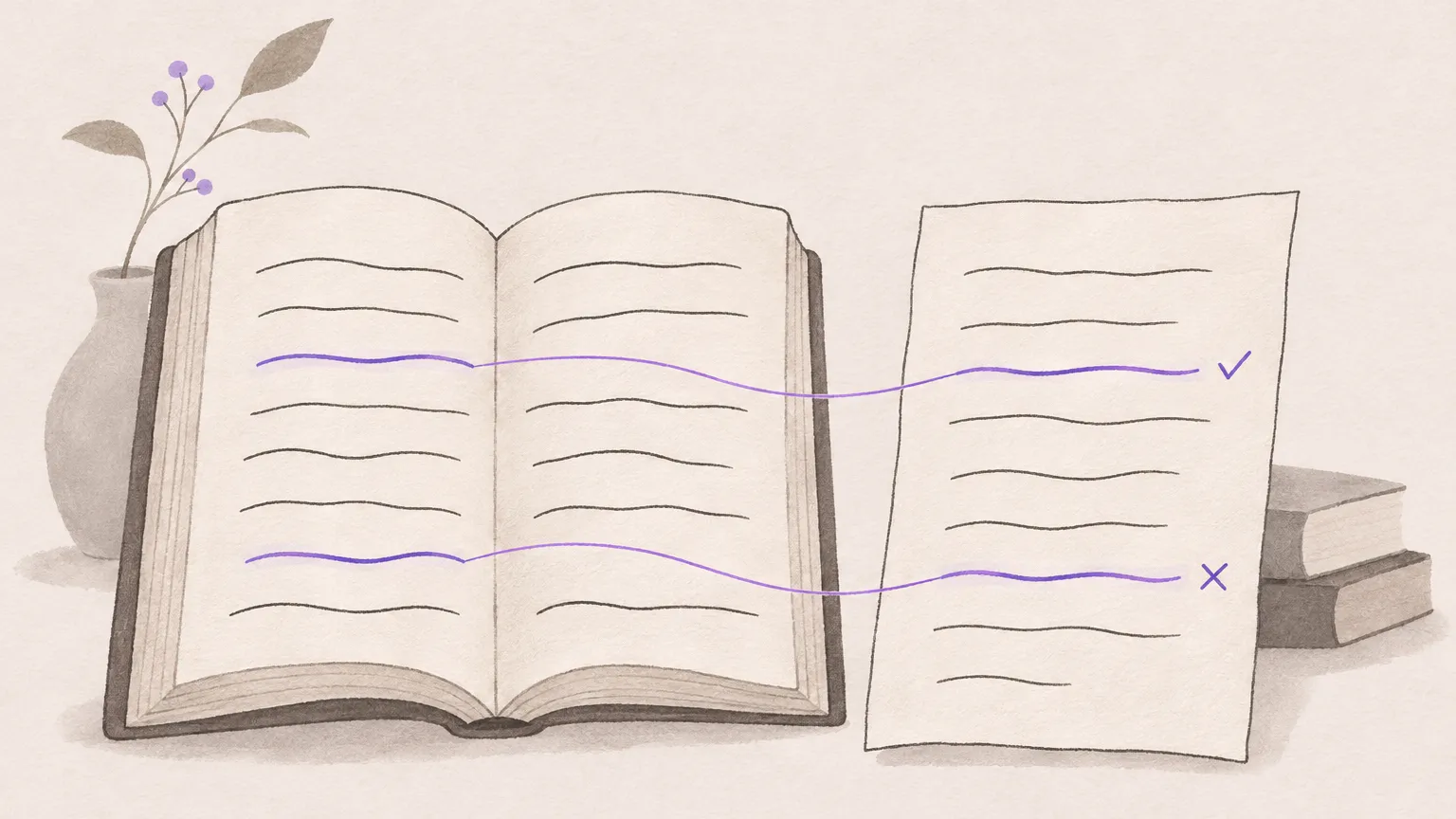
A source check finds omissions, additions, changed facts, and wrong interpretations. An English edit checks voice, rhythm, dialogue, repetition, and readability. A continuity pass searches names, titles, numbers, timelines, and recurring terms across the full manuscript.
The editor and translator resolve comments with the source available. The translator then checks proof pages or the ebook for broken italics, bad line breaks, missing text, image captions, notes, and navigation.
The final deliverable includes decisions
The client receives the manuscript in the agreed format, plus a glossary, style sheet, query record, and any required permissions or credit information. These records make later volumes and revised editions consistent.
A good translation can read naturally without pretending the source had no cultural or stylistic character. The final wording is clear because the translator made and checked specific decisions throughout the book.