Light novel vs web novel: which edition should you read?
A web novel describes how a story is published online. A light novel is a publishing format and market category. The same story can exist in both forms, with different scenes, volume divisions, and illustrations. Match the edition before you follow chapter numbers or buy the next book.
Compare a Japanese web serial, published light novel, manga adaptation, and English edition. Check the right version before buying or continuing a story.
Start with the publication route
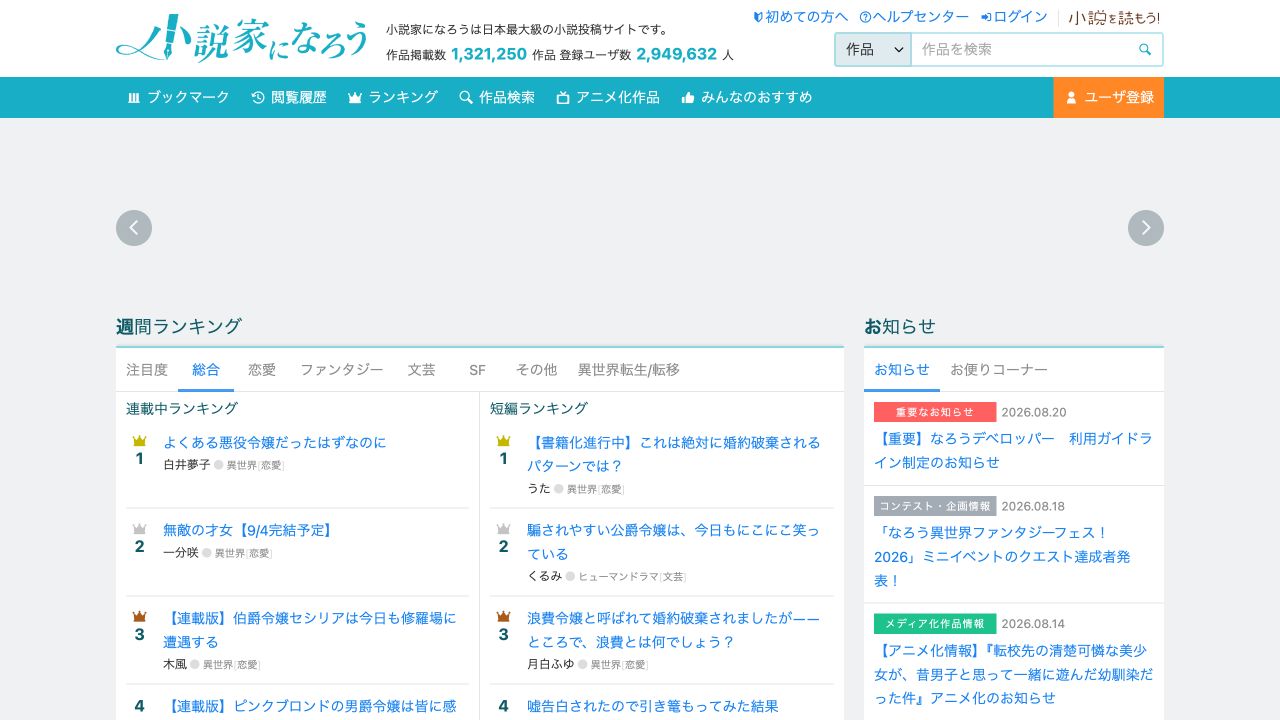
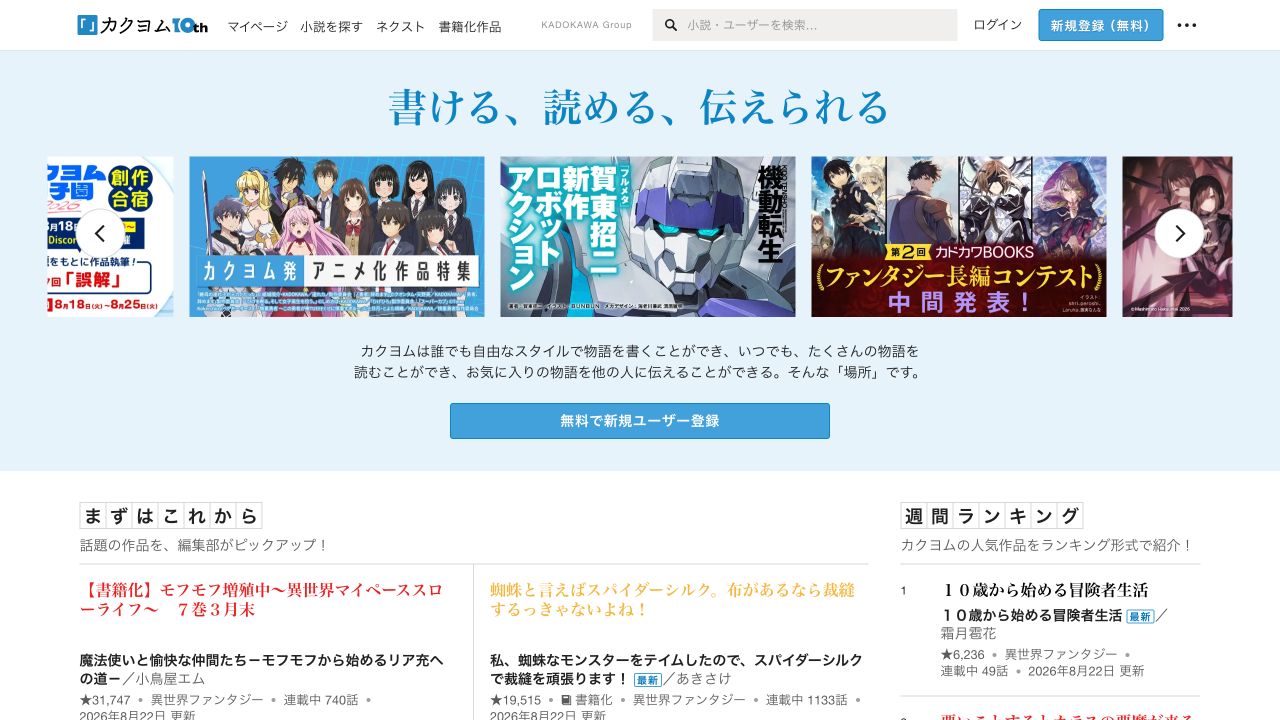
An author can publish episodes on Narō or Kakuyomu and later have a book edition released by a publisher. Both platforms show commercial adaptations alongside web fiction. That connection does not make every episode and book chapter interchangeable.
A light novel may also begin as a published book without a free web version. A search that finds no original serial is not proof that chapters are missing.
Compare the details that identify an edition
Write down the title in Japanese, author, publisher or imprint, volume number, release date, and format. The illustrator and cover help distinguish the novel from a manga with a similar name. A translated edition can use a different title from the Japanese one.
- Author and work title identify the underlying story.
- Publisher, volume, and date identify a particular release.
- Language identifies the source or translation edition.
- Novel, manga, and audiobook labels identify the format.
Do not transfer chapter numbers between versions
If you finished a web arc or an anime season, compare the published volume summaries before continuing. The book may add scenes or change their order. Starting from an assumed equivalent chapter can skip material or reveal later events.
When exact correspondence is unclear, read the publisher’s sample and the book’s contents. Begin earlier if you need continuity. Reader discussions can suggest a starting point, but confirm the edition they discuss.
Choose access that fits your reading
Choose a public Japanese serial when you want to follow the author’s web release. Choose a licensed English edition when you want the publisher’s translation. Try a sample before buying. A membership and an ebook purchase may grant different access.
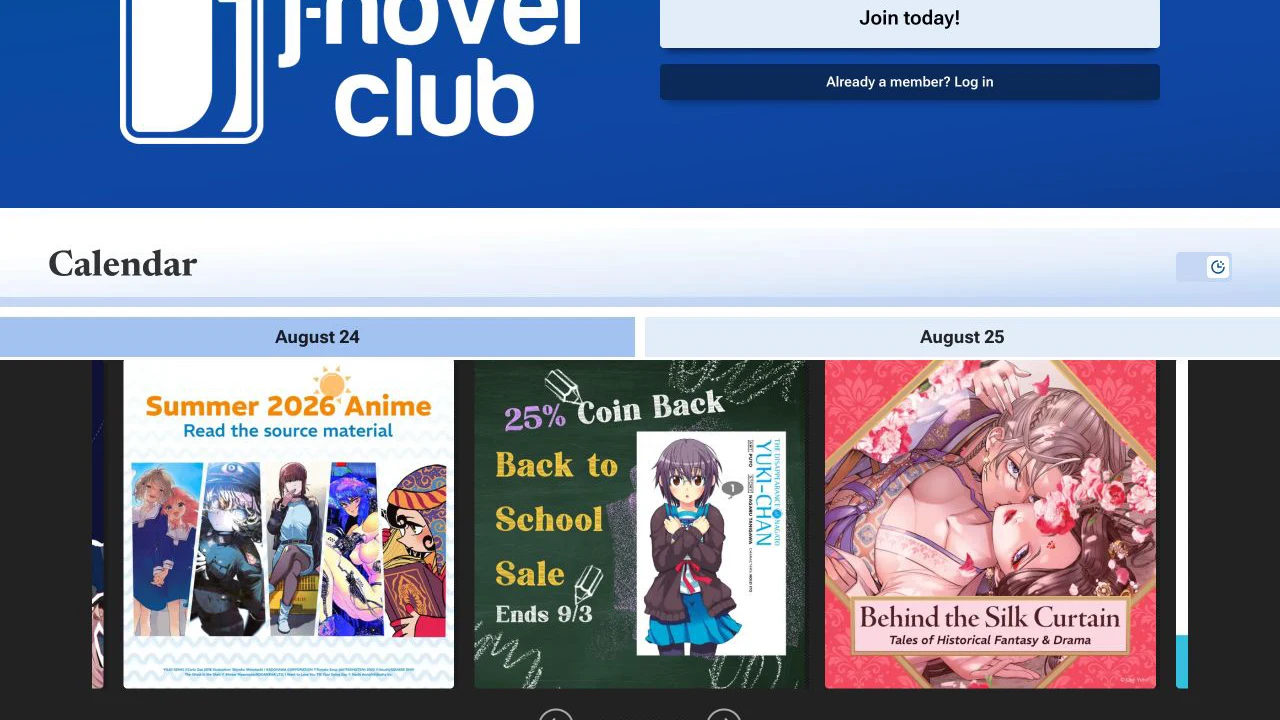
J-Novel Club’s current access guide separates samples, purchases, and membership options. Read the current product page rather than assuming every subscription contains every volume.
Use this distinction when writing your own serial
Keep your serial chapter order separate from your planned book volumes. Record added scenes and renamed chapters when you revise. A reader returning from one edition should be able to understand where to continue.
If you plan to publish on a Japanese platform, read its submission rules and any existing-work requirements first. Finding fan fiction on a site does not establish permission to reuse a particular story.