MTL novel guide: turn a rough translation into readable English
An MTL novel is a web novel you read in machine translation: software turned the Chinese, Korean or Japanese chapters into English, usually with little or no human editing. Some MTL novels are readable. Many drift, because the tool treats each sentence on its own: names change, omitted subjects become the wrong person, and ranks shift halfway through the story. This guide shows how to check an MTL novel before you commit to it, and how to make a cleaner private reading copy.

Clean the source, build a glossary, translate one controlled chapter at a time, and review errors that fluent English can hide.
What makes a novel an MTL novel
The label describes how the English was made, not who wrote the story. A Chinese xianxia, a Korean regression novel or a Japanese isekai becomes an MTL novel when a reader or a site runs the original chapters through Google Translate, DeepL, a language model or an older engine and posts the output.
Raw MTL is that output untouched. Edited MTL has been corrected by a person, often only for names. The label alone does not say which tool was used, whether the source was complete, or how much anyone checked. Searches for a site that hosts machine-translated chapters, such as mtlnovel or novelmtl, are looking for exactly this kind of copy.
Check an MTL novel before you read 50 chapters
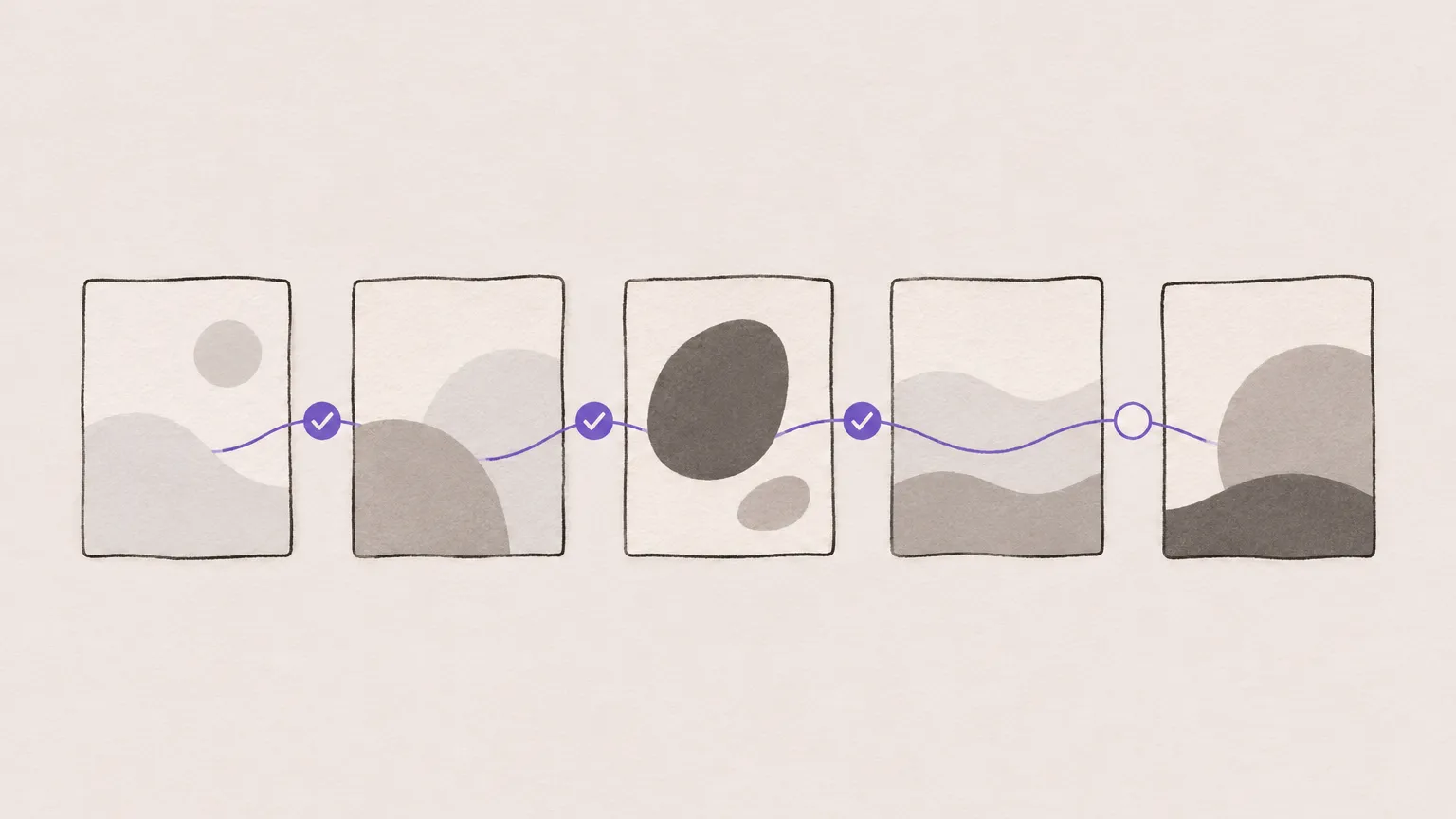
Open three chapters far apart, for example chapters 1, 10 and 30, and compare them. Problems that show up across that gap will get worse over a long series.
- The main character’s name is spelled the same in all three chapters.
- Pronouns in dialogue point to the right speaker.
- Cultivation realms, ranks and skill names keep one English form.
- There is no untranslated text, site menu or comment mixed into the chapter.
- Each chapter starts and ends where the original does, with no missing scene.
Clean the source without flattening it
Remove navigation, advertisements, comments, duplicated headers, and OCR noise. Keep the title, chapter number, paragraph breaks, dialogue punctuation, footnotes, and scene separators. Save the untouched source beside the cleaned file so you can check a difficult line later.
Do not combine a complete volume into one block. Keep one file or record per chapter. Stable boundaries make it possible to retry a failed chapter without paying for or reviewing the whole book again.
Create the glossary before the bulk run
Read representative chapters from the beginning, middle, and later part of the work. Record each character’s source name, chosen English name, aliases, pronouns, role, and relationships. Add places, groups, titles, ranks, abilities, items, and repeated phrases.
Keep the source term beside every English choice. Add a short reason when two readings are possible. A glossary is a decision log, not only a list of words.
- Lock approved spellings for names and places.
- Record rank order and title hierarchy.
- Keep uncertain terms marked for later review.
- Add new terms after each completed chapter.
Translate one chapter with useful context
Send one chapter or scene with the relevant glossary and a short account of what happened immediately before it. Ask the system to preserve paragraphs, dialogue markers, headings, numbers, and scene breaks. Do not ask it to improve plot logic or add transitions.
Save the model, settings, prompt, glossary version, source, and output for each job. If a later chapter reveals that a name choice was wrong, you can find which outputs used the old glossary.
Review meaning before style
Compare names, pronouns, numbers, negation, dialogue attribution, and actions with the source. Search the output for untranslated text and unexpected name variants. Check the first and last paragraph of every chapter because missing boundaries are common in automated pipelines.
After the meaning checks pass, edit repeated phrasing, unnatural dialogue, and sentence rhythm. A smooth sentence is not useful when it gives an action to the wrong character.
Current readers still value glossaries and human review
Recent reader discussions describe a large amount of fast AI output with little proofreading. Readers report changing names, unfinished releases, aggressive paywalls, and difficulty finding careful translations. Some now build a private glossary and make their own reading copy because this gives them more control over names and terms.
The same point appears in older Novel Updates Forum discussions: a glossary can improve consistency, but correct words do not solve cultural context. An editor must still check relationships, idioms, voice, and information that the source leaves unstated. A reader on X also described reviewed machine output as coherent when a person checked and corrected it.
Keep a private reading copy private
Use text that you obtained lawfully. Do not remove digital-rights controls or upload a commercial ebook to a service unless you have permission and understand its data policy.
A public fan translation can affect the author and licence holder even when you do not charge for it. Get permission before you share or publish the translated work.
Translating your own web novel into English
If the novel is yours, you can skip the guesswork that readers face. You already know every name, rank and plot fact, so write them into a glossary before the first chapter goes through translation, and review the English against your own source.
Estimate the cost of a full run before you start, then translate a few chapters as a test batch and fix the glossary before the rest.