How to translate a long novel without losing consistency
A long novel is a connected project. Names, promises, places, ranks, relationships, and voice must survive every chapter. The translation process must be resumable, searchable, and easy to correct when a later chapter changes an earlier decision.
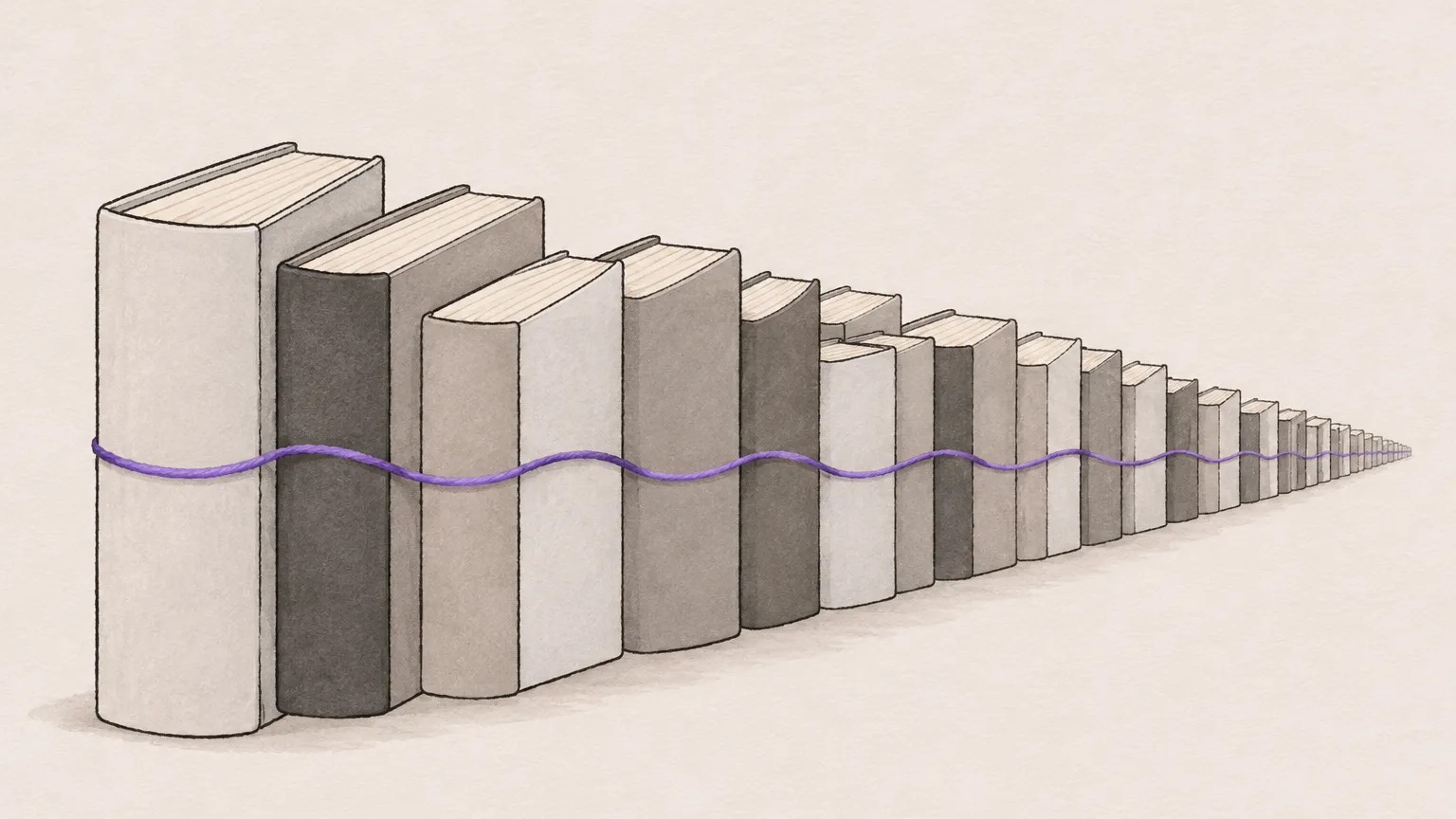
Plan the source, glossary, chapter jobs, context, quality checks, and EPUB before you process hundreds of chapters.
Inventory and clean the complete source
List every volume, chapter, side story, illustration, note, and missing section. Record the source URL or edition and keep the untouched files in a private archive. Remove navigation, adverts, and OCR noise from working copies while preserving headings, paragraphs, dialogue, and scene breaks.
Assign a stable identifier to each chapter. Do not rely on a title alone because several chapters can share the same title. A volume and chapter number makes retries, review, and export predictable.
Build a glossary from more than chapter one
Sample chapters from the beginning, middle, and later arcs. Extract names, aliases, pronouns, roles, places, groups, ranks, skills, items, and recurring phrases. Record the source form, approved English, alternatives, and a short note.
Version the glossary. When you change a term, record the date and affected chapters. This prevents a correction from silently changing only new work.
Run resumable chapter jobs
Translate a chapter or stable scene as one job. Save the source checksum, model, settings, prompt, context note, glossary version, output, and job status. A failed request should restart that chapter, not the complete novel.
Give the job enough prior context to resolve identity and tone. Do not paste the complete book into every request. Large context can increase cost and still hide the local line that matters.
Check continuity across the project
Search for name variants, changed titles, missing headings, wrong chapter order, untranslated source text, and number differences. Compare recurring descriptions and rank order across arcs. Keep a list of unresolved passages with links to the source.
Review chapter boundaries and dialogue attribution before style. Then edit repeated phrases, voice, and rhythm. Re-run project searches after each glossary change.
Export a book that can be corrected
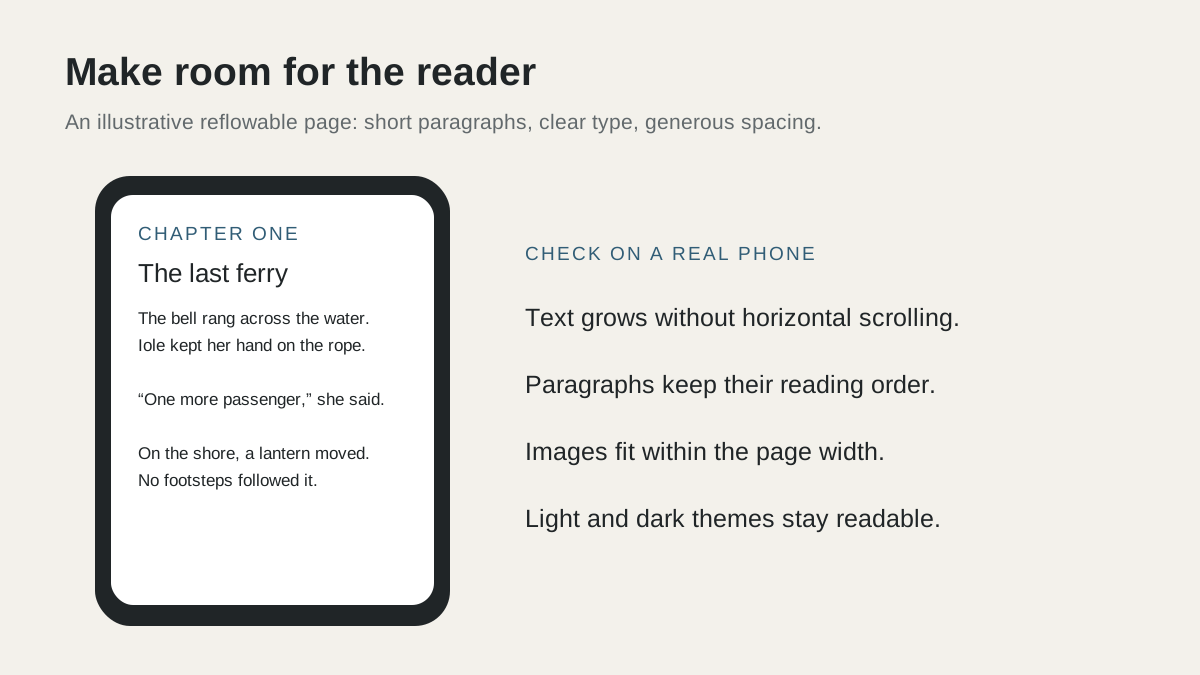
Create a reflowable EPUB with metadata, a cover, navigation, semantic chapter headings, and responsive images. Keep the source and reviewed translation outside the EPUB as structured project files. An ebook is an output, not the only copy of the work.
Validate the EPUB and read it on a phone. If a correction is needed later, update the chapter record, rebuild the book, and keep a version note.